Another patient with West Nile virus has died at the Clinic for Infectious Diseases after undergoing treatment in the Intensive Care Unit for 57 days. The deceased was a 70-year-old patient from the Municipality of Aerodrom who, in addition to the infection, suffered from multiple underlying health conditions. The patient passed away over the weekend, despite the medical measures and treatment administered.
Dr. Fadil Cana, Director of the Clinic for Infectious Diseases, reported today that seven patients with West Nile virus are currently hospitalized at the clinic. Two of them are in serious clinical condition and are being treated in the Intensive Care Unit following a deterioration in their health; one of these patients was already in serious condition upon admission.
“There has been only one new confirmed admission since September 25. Currently, there are seven patients hospitalized at the Clinic, two of whom have a severe clinical presentation. These are patients whose condition deteriorated, requiring their transfer to the Intensive Care Unit,” stated Dr. Cana.
All patients currently being treated at the Clinic for Infectious Diseases are elderly adults with underlying health conditions. The most recently admitted patient is from Rosoman, while the other hospitalized patients are primarily from Skopje.
Including the latest fatality, and based on data presented by Dr. Cana, the total number of patients hospitalized at the Clinic with the neuroinvasive form of West Nile virus infection has reached 67. Of these, 10 patients have died, 50 have recovered, and seven remain under hospital care.
Regarding the mortality rate among confirmed West Nile virus cases in the country, Cana noted that it is consistent with data recorded in other countries where the infection is present. He cited Greece, Italy, and other nations where West Nile virus infection has been reported.
“According to our statistics, the situation is consistent with what is being observed worldwide—including in Greece, Italy, and other countries where this infection has been confirmed,” said Dr. Cana.
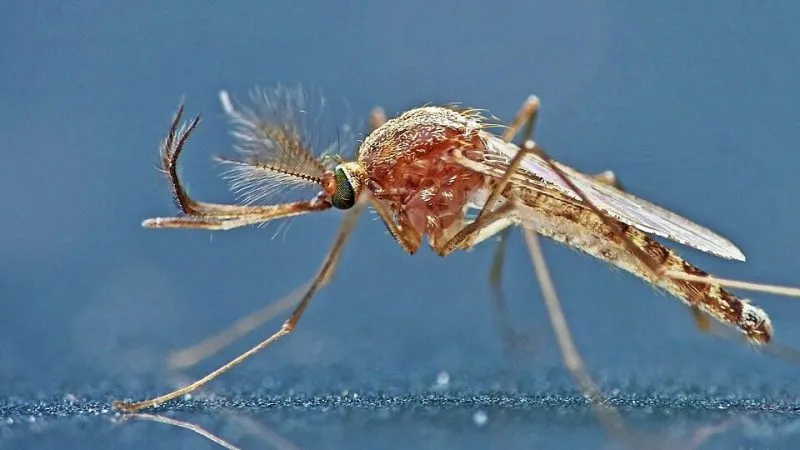
West Nile virus is transmitted through the bite of an infected mosquito, and the risk of infection exists while mosquitoes are active. While some infected individuals may remain asymptomatic or experience only mild symptoms, others can develop a neuroinvasive form of the disease, which may lead to serious complications.
Given the risk of infection, Dr. Cana urged citizens to follow the protective recommendations issued by the Ministry of Health, the Institute of Public Health, and the Center for Public Health.
“We must always remain cautious and adhere to all the measures prescribed by the Ministry of Health and the Institute of Public Health,” he emphasized, noting that such infections are constantly present in the environment and that the risk of transmission remains.
Recommendations for protection against West Nile virus typically include minimizing exposure to mosquitoes—especially during peak activity times—using mosquito repellents, and taking measures to prevent mosquito breeding near homes.